
We have all heard the phrase “Rome wasn’t built-in a day”. According to my good friend Wikipedia, this phrase is an English translation of a medieval French phrase, and was published by John Heywood in 1538 in A Dialogue Conteinyng the Nomber in Effect of all the Prouerbes in the Englishe Tongue and then Queen Elizabeth referred to the idea in an address at Cambridge in 1563. Who knew!?!?!?
To us it is used when reminding someone that a particular task or goal takes a long time to complete properly, and that great things take time and diligence to create. Such as the Great Ancient City of Rome.
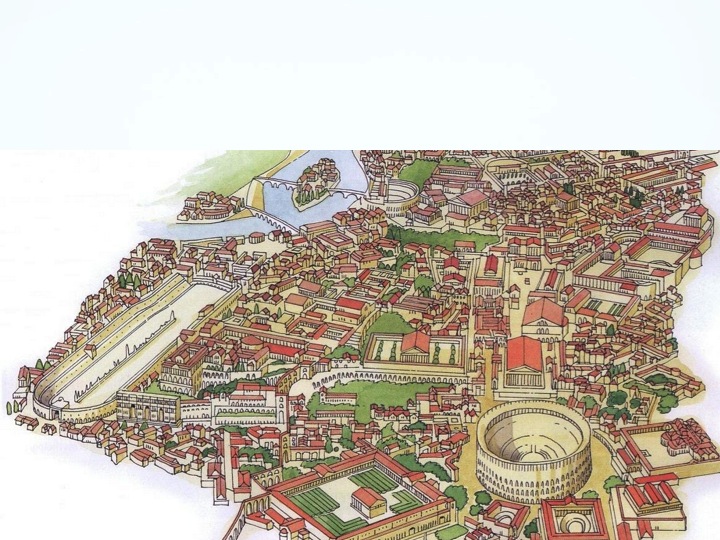
In it’s hay day, the 1st Century, Rome was something to behold. The center of a great empire with an estimated 50 to 90 million inhabitants (roughly 20% of the world’s population) and covering 2.5 million square miles. The remains of many structures still stand some 2000 years later, and today Rome is the 3rd most visited city in Europe, following London and Paris, with an avearge of 7-10 million tourist each year.
Now jump forward in time to 1871 and across the big pond to Chicago, IL. Chicago was a bustling community of trade and commerce on the Great Lakes. Chicago was also the home of a new baseball team called the Chicago White Stocking, who would change their name three times before settling with the name Chicago Cubs. The White Stocking won the League Championship that year, something the Cubs rarely do….but I digress.
Now the story is told that on Sunday October 8, 1871 a cow kicked over a lantern in the barn owned by Patrick and Catherine O’Leary. The fire began about 9:00 p.m. and by midnight it had jumped the river’s south branch, and by 1:30 a.m. the business district was in flames. Shortly thereafter the fire raced northward across the main river. With limited firefighting equipment, the city’s fire department was helpless as the flames jumped from building to building…
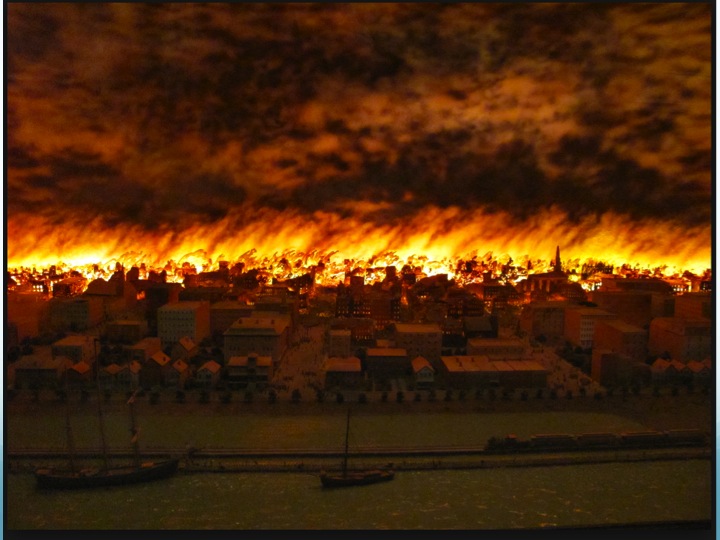
. …and Chicago burned overnight.
Rome wasn’t built in a day, but Chicago burned overnight.
Just think about that for a moment. Everything that someone can build here on earth over a lifetime, be it physical structures, a career, a reputation, relationships, a family, wealth, belongings, anything, can all go up in smoke overnight. It just takes one bad or impaired decision, a lie, an indiscretion, a distraction while driving, a stupid move, or just a stroke of bad luck.
There are some great examples in our life times of famous people whom all fell into this category. Such as Bill Clinton’s Presidency, Howard Cosell’s broadcasting career, those who invested in Bernie Madoff’s company, Scott Peterson & OJ Simpson, Lance Armstrong & A-Rod, etc. Our jails, news papers and tabloid magazines are full of people who let their Chicago burn down one night.
We all personally know someone who fits this bill. And we are all guilty to this ourselves in various degrees. I personally have not burned down whole villages, but there is more than one scorched building in my past, and a couple of big ones. Knowing what caused the fire, being accountable and prepared to pay for the damages, and setting up systems never to repeat the situation, is how we move forward to rebuilding our Chicagos. Today the city of Chicago is a world commerce center, and a great place to live and visit.
My advise to my kids, and to myself…don’t play with matches, you will eventually get burned.
